
A Word from Jesus: “Cheers!”

Why delicious?
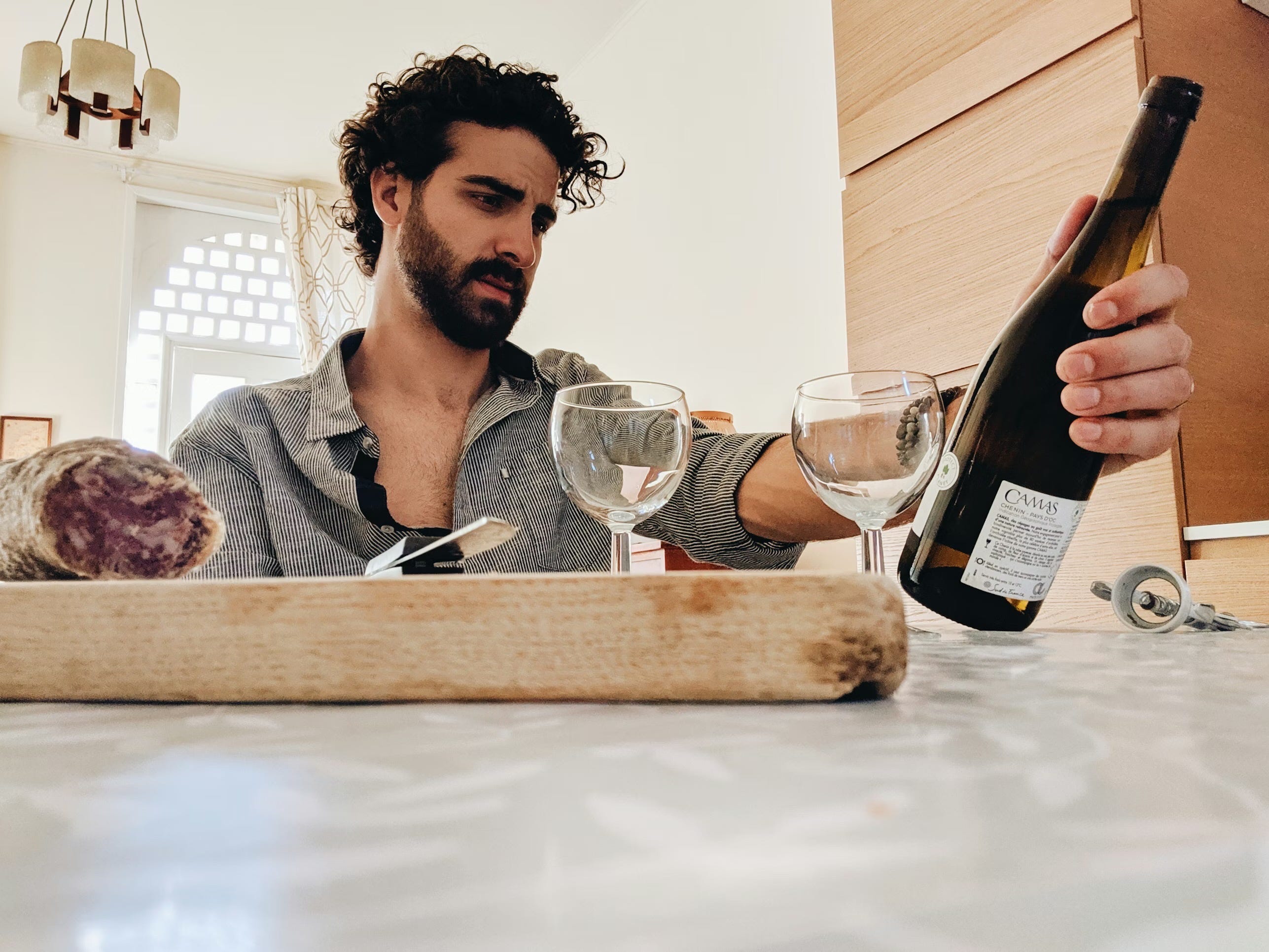
Photo by Austin Loveing on Unsplash
Lectio divina. John 2:1-12. The Wedding at Cana
There is so much in this beloved story, the first “sign” in the Gospel of John. A passage which is, wonderfully, about refilling wine for a party. In the narrative are a string of details which are easy to overlook but which at second glance seem important.
First: The very first words, “On the third day.” Of what? After what? The verses before this passage describe Jesus beginning to call his disciples. Three days after that? I don’t think so. “On the third day” will come to mean the day of Jesus’s resurrection. And here it is at the very start of his ministry. So, one.
Two: The “mother of Jesus” is at the party. She is here at the very first sign. In fact, she instigates it. She is the one who notifies her son that the hosts have run out of wine (which would have been a huge disgrace for the family). Mary doesn’t make a lot of appearances in the Gospels. Fewer in John because the writer doesn’t include any nativity narratives. But here Mary is, at the top. This isn’t accidental.
Three: Jesus’s reply to his mom seems pretty sassy. “What is that to me, woman? My hour has not yet come.” Now, it seems that the Greek word translated here as “woman” can also connote something akin to “ma’am.” Any Southerner would recognize this construction as respectful. But even if we swap “woman” for “ma’am”, Jesus is still rebuffing the implicit request of his mother, explaining to her that his “hour has not yet come.”
Four: And yet, just as Mary walks away, as it were, Jesus addresses two waiters and tells them to fill the large jugs with water, initiating the miracle. So… what? One minute after saying his hour has not yet come, it suddenly has? Was Jesus simply cranky with his mom? In any case, just as in one of his parables, Jesus is the obedient son who at first says no but then does what his parent asks. Let’s face it, it’s strange!
Five: The servants do as Jesus instructs. (This used to seem strange to me too, but now I take it that Jesus’s fame as an up-and-coming rabbi has spread around – that’s probably why he and his entourage were invited to the party; as celebrity guests.) The servants fill the containers with water and bring a cupfull to the maître d’ who samples the beverage and declares to the host that he has (oddly) saved the best wine for last! Why this detail? It’s lovely. It’s delightful. But why? This detail doesn’t reveal Jesus’s power. Plain old wine would have worked fine for that. It seems that by adding the description of the wine’s quality, the writer of John is hinting at something delicious about the quality of life in Christ.
Six: There is no faith involved in this sign. In the synoptic Gospels nearly all of the miracles involve the faith of the recipient, or the recipient's family or friends. Here no one is exercising any faith at all. Except for Mary. And Jesus himself. Let’s just sit with that.
Seven: The transformation of water into wine is noticed by Jesus’s disciples who, John says, perceive his “glory” and believe.
This narrative is so rich, so packed full of curious detail. It seems to beg for contemplation, to invite us to roll its curiosities over and over in our minds and spirit, like a fine sip of wine.
Could it be that such faith made the water taste like wine?